April 02, 2023
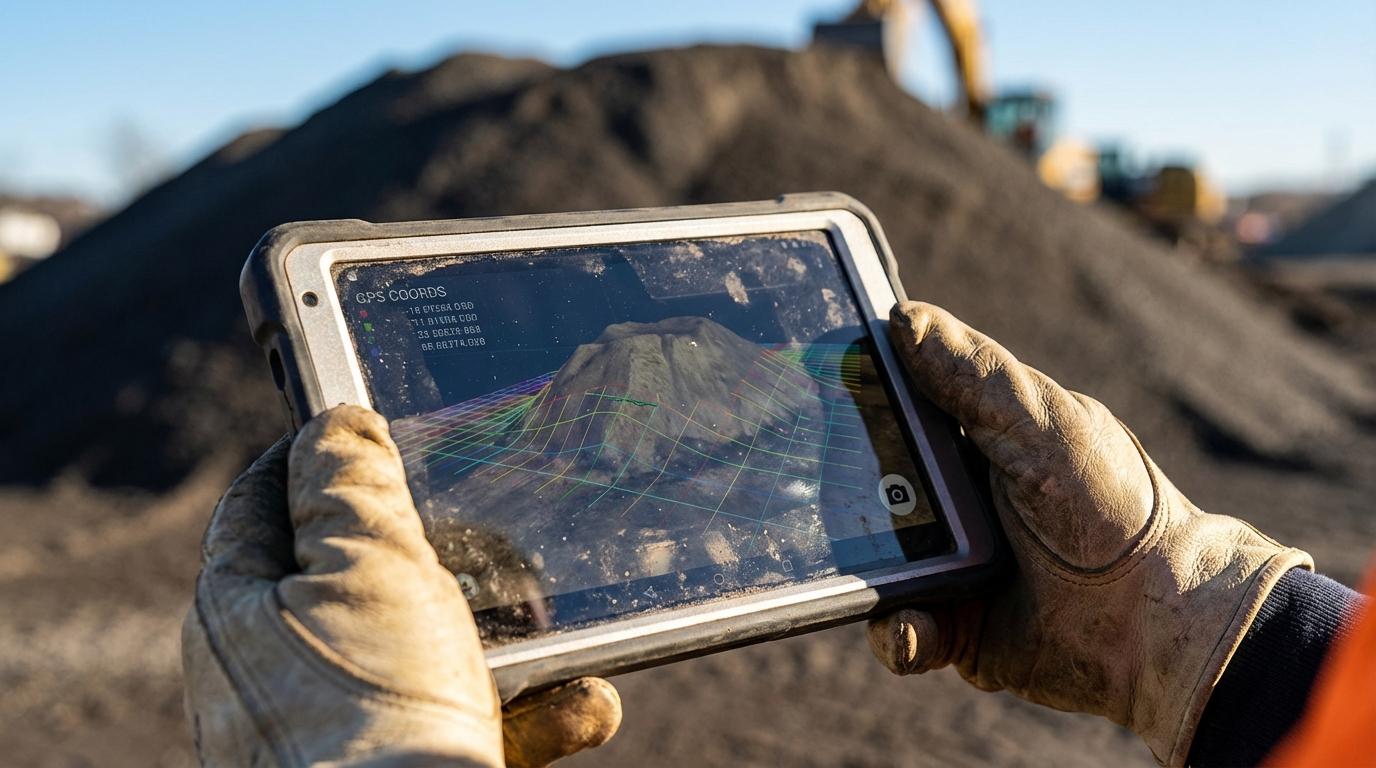
Why Location Accuracy Matters in Stockpile Tracking
Managing stockpiles across mining sites, quarries, and construction projects can become difficult when material records are not tied to a precise location. When teams rely on manual notes or visual identification, it becomes easier to misreport where stockpiles are stored or how they have changed over time.
Geo-tagged data adds location context to every stockpile measurement. By linking inventory records to a specific place on site, businesses gain better visibility into where materials are stored and how inventory moves across different zones.
How Geo-Tagged Stockpile Tracking Improves Operations
A geo-tagged stockpile tracking system helps teams document stockpile measurements with location-based information. This makes it easier to verify field activity, improve reporting accuracy, and maintain more reliable inventory records.
Geo-tagged data is especially useful on large sites where multiple stockpiles may look similar or where materials are spread across separate work areas. With location-based records, site teams and managers can quickly identify the exact stockpile being measured.
Benefits of Using Geo-Tagged Data
Geo-tagged stockpile tracking supports better inventory control by helping teams:
Improve location accuracy for stockpile records
Reduce confusion between stockpiles on large sites
Strengthen field accountability
Support clearer reporting and audit trails
Improve overall site visibility
By adding location intelligence to inventory data, businesses can make stockpile management more accurate, traceable, and easier to manage across field operations.